

Automotive Succession Planning:
Strategies to Protect, Transition, and Grow Your Dealership
Automotive succession planning is one of the most critical—and most overlooked—responsibilities of a dealer principal. Unlike many other industries, dealerships operate in a high-stakes environment where family dynamics, franchise agreements, OEM approvals, and real estate ownership all collide. Without a clear plan, even the most profitable store can lose value, fracture relationships, or fail manufacturer requirements. With the right framework, you can protect your dealership, transition leadership smoothly, and position your business for long-term growth.

What Makes Automotive Succession Planning Unique
Automotive succession planning is not a “copy-paste” version of general business succession. It’s a specialized discipline that accounts for the unique realities of running a dealership, from OEM oversight to ownership complexity and leadership dependency.
A generic plan may cover leadership or estate issues, but in retail automotive those are only part of the picture, and many of the most common risks don’t show up until a transition is underway.
1. OEM Approval Is Non-Negotiable
Unlike most businesses, dealers cannot change leadership without manufacturer consent. Successors must meet strict experience, training, and financial standards. Without early preparation and OEM engagement, even strong candidates risk rejection—putting franchise rights at stake.
Related: What Auto Dealers Need to Know About OEM Approval for Succession
2. Complex Ownership Structures
Dealerships often operate through multiple entities: one for real estate, another for operations, sometimes additional holding companies for various brands. Succession must align shareholder agreements, leases, and tax strategies across all of them. Without coordination, heirs may inherit assets without authority—or managers may gain authority without resources.
Related: More Entities, Less Control: Where Dealer Groups Get Stuck
3. People and Relationships Drive Value
A dealership’s worth isn’t just facilities and inventory, it’s customer trust, OEM confidence, and employee loyalty. If an owner exits suddenly without a plan, managers may leave, lenders may question stability, and customers may follow competitors. Succession planning ensures leadership continuity and culture preservation alongside ownership transfer.
Related: Why Dealer Succession Plans Fail in Dealer Groups
4. Family Dynamics Intensify Risk
Most dealerships are family-owned. Siblings, cousins, and in-laws often hold different roles, expectations, and definitions of “fairness.” Without family governance—policies for employment, decision-making, and conflict resolution—succession can trigger disputes that damage both relationships and enterprise value.
Related: How Governance Solves Conflict in Dealerships
5. Industry-Specific Risks and Opportunities
Economic cycles, OEM consolidation pressures, and regulatory changes hit dealerships harder than many businesses. Well-prepared dealers use succession planning to anticipate these shifts, protect stability, and position for growth, whether through family succession, management buyouts, or eventual sale.
Related: The Hidden Threats to Long-Term Dealership No One Talks About
In short
Automotive succession planning is about more than naming a successor. It integrates OEM requirements, ownership structures, leadership continuity, and family expectations into one cohesive strategy that protects value and ensures growth.

Why Auto Dealers Need a Succession Plan (Before It’s Too Late)
In automotive retail, transition isn’t a matter of if but when. Dealer principals eventually retire, OEMs raise their standards, and families evolve. The real question is whether the transition will be strategic—or reactive.
Bottom line: the longer you wait, the fewer options you’ll have. Starting early ensures you can retire—or step back—on your own terms while knowing the dealership, your family, and your employees are secure.
Related: Why Dealer Succession Plans Fail In Dealership Groups
Many owners delay planning because they’re “too busy running the store.”
Yet life forces the issue:
- Retirement or semi-retirement
- Health challenges or sudden disability
- Franchise buy-sell requirements or consolidation pressures
- Unexpected death of an owner
- Fractured family relationships spilling into the business
- Turnover of key managers
- Each of these creates instability.
Without a plan, decisions become rushed, emotional, and costly.
Related: Why Dealers Avoid Succession (and the Price They Pay)
Owners often underestimate how long succession takes. OEM approval, successor preparation, and family alignment may require five to ten years. Waiting until retirement compresses timelines, leaving successors underprepared and managers uncertain. Buyers and lenders sense instability and discount valuations. We’ve seen dealers lose millions, or face months of delay, simply because planning began too late.
Proactive succession planning gives you control instead of crisis management. Benefits include:
- Control: Owners decide how and when to transition.
- Value protection: Strong plans reassure OEMs, lenders, and buyers.
- Leadership readiness: Successors earn credibility with employees and manufacturers before the handoff.
- Stronger governance: Documented policies reduce family conflict.
- Employee loyalty: Clarity builds trust among managers and staff.
Early planning gives you more options—whether passing to family, selling to key managers, or considering an outside buyer.
The Succession Matrix®: A Framework for Dealer Success
Generic checklists won’t cut it in automotive retail. That’s why The Rawls Group applies the Succession Matrix®—10 interdependent factors that determine whether a dealership thrives through transition or falters under pressure. Neglect one, and the rest can collapse.
Owner Motivation & Transition Goals
Your Content Goes Here
Clarify what you want for your future: retirement, mentorship, or continued involvement. Aligning the plan with your vision reduces uncertainty for family, managers, and OEMs.
Related: Owner Motivation & Perspective
Personal Financial Planning
Your Content Goes Here
Most dealer wealth is tied to the store. Securing liquidity, tax efficiency, and estate strategy ensures independence—so stepping back doesn’t compromise your lifestyle or the dealership’s cash flow.
Related: Personal Financial Planning
Business Structuring
Your Content Goes Here
Dealers often manage multiple entities: real estate, operations, holding companies. Shareholder agreements, voting rights, and buy-sells must align to avoid governance conflicts and tax surprises.
Related: Business Structuring
Business Performance
Your Content Goes Here
OEMs and buyers support profitable, stable stores. Strong operations reassure lenders, retain employees, and sustain value. Weak performance undermines credibility during transition.
Related: Business Performance
Strategic Growth Planning
Your Content Goes Here
Are you expanding, consolidating, or preparing for sale? Succession must integrate with long-term goals so successors are equipped to lead in your chosen direction.
Related: Strategic Planning
Leadership & Management Continuity
Your Content Goes Here
A dealership can’t afford a leadership vacuum. Developing a bench of managers—GSMs, service directors, department heads—ensures stability if the unexpected happens.
Related: Leadership & Management Continuity
Successor Preparation
Your Content Goes Here
OEM approval requires more than intent. Successors need documented development plans, mentorship, cross-department training, and milestones that build credibility with both employees and manufacturers.
Related: Successor Preparation
Management Team Synergy
Your Content Goes Here
Parts, service, finance, and sales leaders function interdependently. Succession must preserve collaboration and prevent silos, which erode culture and customer experience.
Related: Management Synergy and Teamwork
Family Dynamics
Your Content Goes Here
Old rivalries, in-law influence, and generational differences resurface under pressure. Governance and facilitated communication reduce the risk of disputes undermining the business.
Related: Family Dynamics
Family Governance
Your Content Goes Here
Policies and councils provide clear rules for employment, conflict resolution, compensation, and decision-making. Without structure, even profitable dealerships risk resentment, deadlock, and fractured ownership.
Related: Family Governance
Why It Matters for Dealers
A dealership isn’t just facilities and inventory, it’s people, trust, and relationships with OEMs, lenders, and the community. The Succession Matrix® ensures no critical element is overlooked, giving owners confidence that their succession plan is comprehensive, coordinated, and credible.
Automotive Exit Planning vs. Succession Planning
Dealers often confuse exit planning with succession planning. Both matter, but they solve different problems.
Knowing the difference prevents costly gaps.
Exit Planning: Preparing for Sale
Exit planning is transactional. It focuses on:
- Maximizing value for an outside buyer
- Structuring the sale to minimize taxes
- Negotiating favorable terms with lenders and buyers
- Addressing estate and gifting strategies
If your goal is to sell outright, exit planning ensures financial independence. It answers: What is my dealership worth today? How do I capture maximum value?
Related: Exit Planning Vs. Succession Planning: What Path is Right for Your Dealership?


Succession Planning: Preserving Continuity
Succession planning is transformational. It ensures the business thrives when ownership or leadership changes, often within the family or management team. It focuses on:
- Grooming successors to meet OEM standards
- Retaining top employees through incentives and career paths
- Aligning family dynamics and governance
- Coordinating advisors under one cohesive strategy
- Preserving culture and customer trust
It answers: Who will lead after me? Will OEMs approve? How do I keep family harmony while protecting performance?
Related: What is Automotive Succession Planning and Why It’s Critical for Dealership Survival
Automotive Succession Planning Case Study: Multi-Store Dealer Success
Case studies show how structured planning protects value and relationships.
The Situation
Max Hart, COO of a multi-store dealership group, faced an uncertain future. Shareholder agreements were outdated, OEM approval for a successor was missing, and family disagreements simmered. Key managers grew restless, profitability stalled, and OEM confidence wavered.
The Intervention
The Rawls Group was engaged to apply the Succession Matrix® and its 3-Phase Process. Three core issues emerged:
- OEM approval gap – No training or development plan for the intended successor.
- Governance void – No system for family decision-making or conflict resolution.
- Shareholder misalignment – Buy-sell terms hadn’t been updated in more than a decade.
The Process
Through facilitated planning, the group implemented:
- A 24-month successor development program with financial training, OEM relations, and leadership coaching.
- A family council and updated shareholder agreements clarifying roles and compensation.
- Direct OEM engagement to build credibility and secure approval.
- Retention strategies and incentive programs to stabilize key managers.
The Outcome
Within three years, the dealership achieved:
- OEM-approved successor formally recognized.
- 90% stock transfer to the next generation using a tax-efficient structure.
- Renewed profitability as leadership distractions ended.
- Key talent retention, preventing costly turnover.
- Expansion into two new stores, fueled by stronger confidence in leadership.
The Lesson for Dealers
Automotive succession planning is about more than transferring stock—it’s aligning family, managers, advisors, and OEMs under one plan. With structure, the Hart family avoided crisis, preserved value, and positioned their dealership for sustainable growth.

What Real Dealers Say About Succession Planning
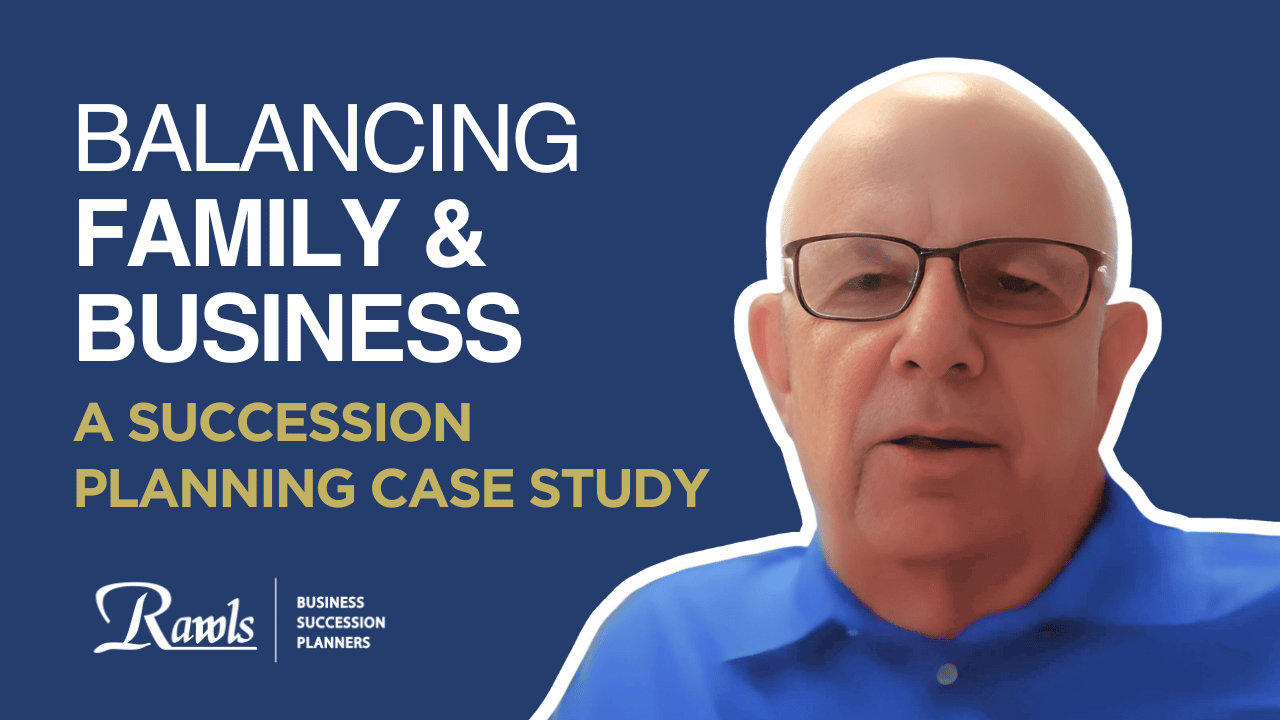
The strongest proof of automotive succession planning’s value comes directly from dealers who have lived it. Across the country, owners have faced family conflict, OEM requirements, and unclear successor readiness—yet gained clarity through structured planning.
Why It Matters for Dealers
Dealers often say, “I wish I had started five years earlier.” These stories show that succession planning doesn’t just prevent problems—it creates opportunities for growth. They also prove that no dealership is too large or too small to benefit from a structured approach.


Why You Need an Automotive-Specific Succession Planner
When it comes to continuity, not all succession planners are created equal. Automotive retail has unique requirements—manufacturer approval, franchise transfer processes, complex ownership structures, and family involvement—that generic succession planning often misses.
1. OEM Approval Adds Complexity
In most industries, ownership transfer is just shareholder agreements and tax strategy. In automotive, the OEM has the final say. An automotive succession planner understands approval requirements, maintains factory relationships, and builds development plans that earn buy-in.
Related: Dealer Principal OEM Approval Process and Valuation Leverage
2. Real Estate and Entity Structures Must Align
Dealerships often involve separate operating, real estate, and holding companies. An expert planner integrates buy-sells, leases, and ownership structures to prevent governance disputes or tax surprises.
Related: Real Estate, Taxes, and Estate Planning: Overlooked Elements in Automotive Transitions
3. Family Dynamics Are Amplified
Bloodlines and boardrooms rarely mix smoothly. Automotive succession planners navigate fairness vs. equality, set policies for family involvement, and help protect both the business and family unity.
Related: How to Prepare a Family Member to Take Over a Car Dealership
4. Culture and Key Leaders Drive Enterprise Value
Employees and customers often have decades of loyalty to the dealer principal. A poorly managed transition can drive talent away and erode customer trust. Automotive-specific planners prioritize key manager retention and culture continuity to sustain valuation.
Related: How to Build Leadership Bench Strength in Your Dealership
5. Industry Knowledge Protects Long-Term Value
From floorplan financing to OEM image programs, automotive succession planners speak the dealership language. They anticipate consolidation trends, regulatory shifts, and economic cycles so the plan stays relevant and effective.
Related: Dealer Succession Case Study: How One Family Transitioned Without Selling Out
The Bottom Line
You wouldn’t trust a generalist to manage OEM negotiations or floorplan financing. Why trust your family’s wealth and dealership’s future to a generic plan? Automotive-specific succession planners integrate family, financial, operational, and manufacturer realities into one coordinated roadmap—protecting what you’ve built and giving your successors the credibility to lead.

Secure Your Dealership’s Future
Succession planning doesn’t have to be overwhelming—you just need to know where to start.



Automotive Dealership Succession Planning FAQs
Planning for the future raises questions every dealer asks at some point.
Here are answers, with resources to go deeper.

Let’s Talk!
Business succession and growth planning can be overwhelming. We’re happy to get on the phone to discuss how we can make your life easier. Or fill out the form to get the ball rolling and access some helpful free resources.
"*" indicates required fields


