

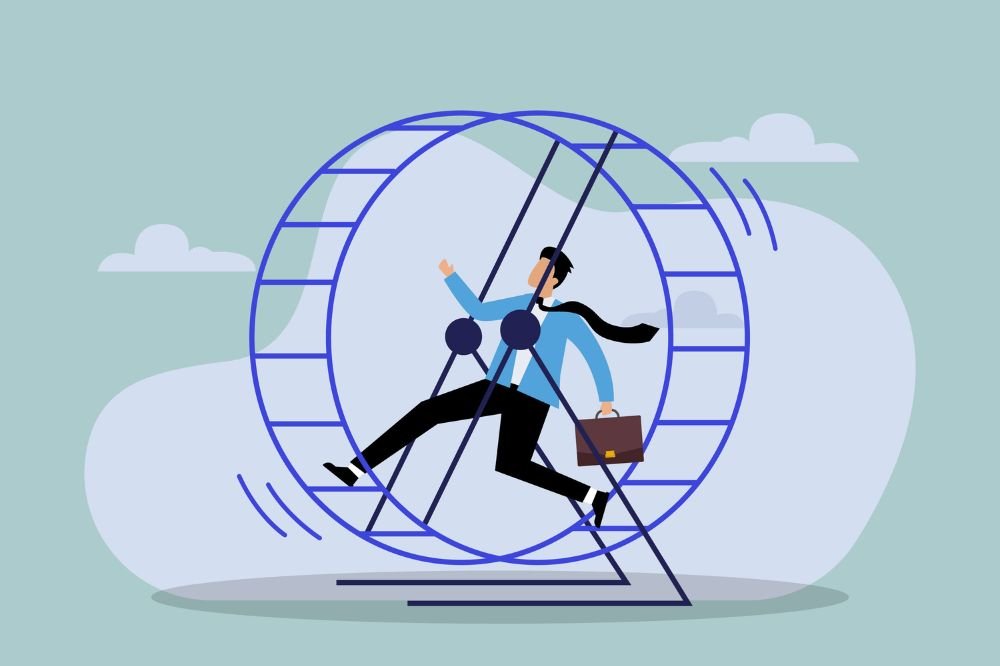
Many owners chase growth with urgency, but not with structure. Revenue surges, operations strain, leaders burn out, and momentum fades. Sustainable expansion doesn’t happen by accident; it’s the result of strategic business growth planning; a disciplined approach that connects your growth vision with leadership readiness, capital, and systems that can support scale.
Quick Summary
This article breaks down how to shift from short-term hustle to long-term scalability. You’ll learn how strategic business growth planning transforms vision into structure, builds leadership capacity, and aligns succession readiness with performance goals. From defining the difference between running and scaling, to identifying survival traps and alignment gaps, you’ll see how to build a growth plan that lasts through leadership changes and market cycles.
1. What Is Strategic Business Growth Planning (and Why It Matters)
Strategic business growth planning is the process of intentionally designing how your business will expand, without compromising culture, profitability, or continuity. It’s about linking your business growth strategies to succession readiness so that every milestone increases both revenue and transferable value.
Instead of reacting to market opportunities, strategic planning creates a roadmap with clear goals, resource allocation, leadership development, and measurable performance indicators. This ensures your business can grow predictably, even when leadership changes or ownership transitions.
The Rawls Group’s Succession Matrix® framework demonstrates that growth and succession are inseparable. When leadership, processes, culture, and capital planning evolve together, your business becomes scalable and sustainable. Growth isn’t just about getting bigger—it’s about building a company that can thrive without depending on one person.
2. The Difference Between Running and Scaling a Business
Running focuses on today: reactive decisions, owner as bottleneck, and systems that strain under pressure.
Scaling builds tomorrow: delegated leadership with clear accountability, repeatable/documented processes, and targeted investments in people and technology. For a practical systems view, see how to scale successfully
Scaling with succession in mind develops leaders who can step up, protecting momentum when ownership or management changes.
3. What Keeps Businesses Stuck in Survival Mode
Companies stay stuck when they:
- Chase growth without a long-term plan
- Rely on the owner for all major decisions
- Operate with outdated, undocumented processes
- Avoid tough succession questions like “Who would lead if I wasn’t here?”
Integrating the Succession Planning Framework forces clarity on continuity, so growth doesn’t hinge on one person. For common pitfalls, see Avoid These 5 Mistakes When Growing a Capital-Intensive Business.
4. Key Areas That Must Be Aligned for Strategic Growth
The best business growth strategies align four pillars:
- Leadership — Build a strong bench and identify successors
- Culture — Keep values and behaviors steady through change
- Processes — Documented systems make it easy for new leaders to step in; pressure-test with scenario planning
- Financial Management — Balance capital for growth and future ownership transfers; see how to connect growth and exit
When these are in sync, strategic business growth planning strengthens profitability and succession readiness at the same time.
5. How to Tell If You’re Ready for the Next Level
Before expanding, ask yourself:
- Are operations stable and profitable?
- Do you have leaders who could run the business in your absence?
- Can your systems handle a 20–30% increase in demand?
- Is customer experience consistent—even during leadership changes?
If any answer is “no,” shore up infrastructure and your succession plan first. Well-timed growth creates value; premature growth magnifies risk. For stress-testing, grab the Scenario Planning Guide.
Key Takeaways
- Sustainable growth requires operational, leadership, and financial readiness.
- Succession planning ensures growth continues during leadership changes.
- Scaling means building systems and leaders, not just increasing sales.
- Align leadership, culture, processes, and finances to support both growth and succession goals.
- Use strategic business growth planning to create transferable value that lasts beyond any one person.
Conclusion
With strategic business growth planning, you turn wins into durable, transferable value that holds through leadership changes and market shifts.
If You Are Preparing for the Next Stage of Growth
If your business is growing, the question is whether your leadership, systems, capital, and decision-making structure can support the next stage without creating unnecessary strain.
A structured evaluation can help identify:
- Where growth still depends too heavily on the owner
- Whether your leadership bench is ready for greater responsibility
- Which processes or systems could become bottlenecks as volume increases
- Whether capital is being allocated with enough flexibility for changing conditions
- How growth decisions support long-term succession and transferable value
For additional perspective, review 7 Business Growth Strategies That Actually Build Value to compare different approaches to sustainable expansion.
As your plan takes shape, use the Scenario Planning Guide to pressure-test assumptions and consider how the business would respond if market conditions, leadership capacity, or capital needs change.
If you want to evaluate how your growth strategy connects to leadership continuity, succession, and long-term business value, schedule a Business Succession Strategy Session.
FAQs: Strategic Business Growth, Scaling & Succession
What is strategic business growth planning?
It’s a disciplined approach to scaling by aligning leadership capacity, systems, governance, and cash-flow discipline. Strategic business growth planning strengthens operations, reduces owner-dependence (when results rely on the owner rather than teams and systems), and builds transferable value so expansion lasts through leadership changes and market swings—without burning out people or breaking processes.
How is scaling different from just running the business?
No. Growth can mean healthier margins, better customer loyalty, or more efficient operations that deliver the same outcomes with fewer heroics. Adding locations without leadership depth, documented processes, and capital discipline usually backfires.
How do I know we’re ready to scale?
You’re close when operations are stable and profitable, key roles have two-deep coverage, processes are documented, and the team can handle a 20–30% demand increase without heroics. Add cash-flow discipline, scenario planning, and clear decision rights (who decides what, and when), and you can pursue growth without magnifying risk.
Why tie growth plans to succession planning?
Because growth that depends on one person is fragile. Succession planning develops leaders, clarifies governance, and reduces key-person risk. When the bench is strong and systems are transferable, growth compounds, valuation improves, and transitions—sale, family transfer, or internal move—happen on your terms.
What moves build value versus just more revenue?
Focus on quality of earnings (profit that is durable and repeatable, not one-time): recurring/contracted revenue, healthier margin mix, diversified customers, and scalable processes. Strengthen leadership continuity and simple key performance indicators (KPIs), and use scenario planning to pre-decide actions under stress. Those moves increase buyer confidence and long-term, transferable value.
Strategic Planning for Business Growth & Succession Success™
The only constant one can plan for is change. Strategic planning positions the business to address the probable, possible, and potential contingencies impacting business success. 
Click the following link for more drill-down resources on Strategic Planning
Sign up for our monthly e-newsletter to stay informed on how to overcome related succession planning issues.


