

Tariffs are sending shockwaves through the auto industry — driving up costs, disrupting supply chains, and forcing dealers to rethink their strategies. As the landscape rapidly evolves, dealerships must act fast to assess the risks and uncover new opportunities. Here’s a closer look at how tariffs are reshaping the industry and what forward-thinking dealers are doing to stay ahead.
How Tariffs Are Disrupting the Auto Industry
Tariffs are fundamentally altering the dynamics of the auto industry. From manufacturers to retailers, everyone feels the pressure of rising costs and shrinking supplies. The overarching goal of the current administration seems clear: bring manufacturing back to the U.S. But this raises important questions: Do we want affordable vehicles, or do we prioritize American manufacturing jobs?
Industry experts highlight the complex balance between these two priorities. While tariffs might help revive manufacturing jobs, they can also lead to increased prices for consumers. The challenge lies in finding a way to support both sides without compromising on either front.
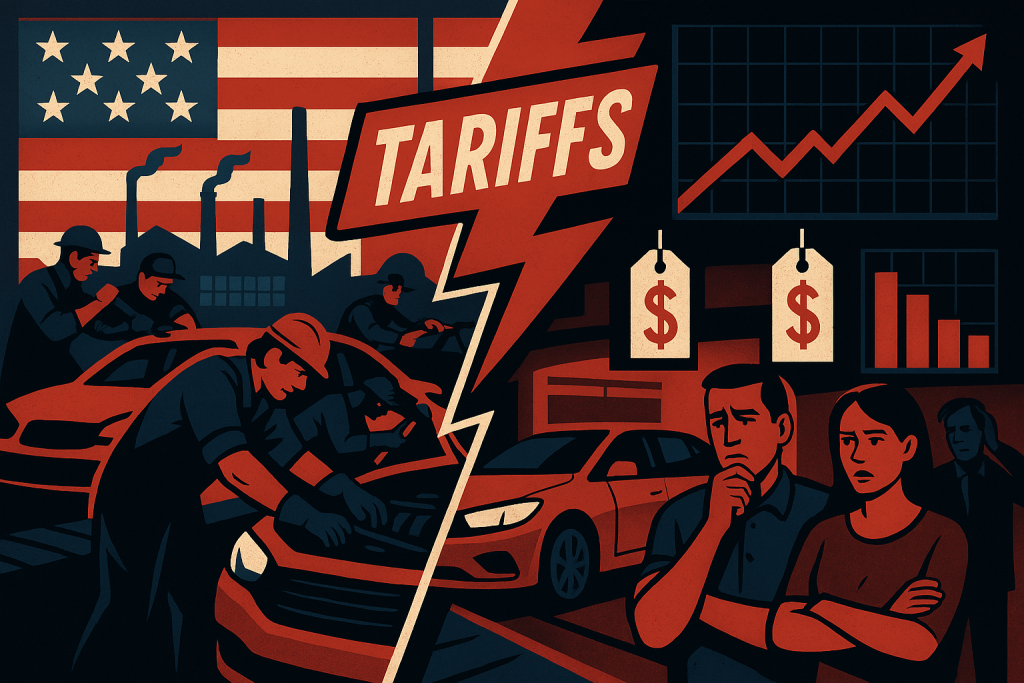
Jobs or Affordable Cars? Dealers Face a Tough Choice
The crux of the issue lies in the trade-off between jobs and affordability. As manufacturers grapple with the decision to move operations back to the U.S., the costs associated with production are likely to rise. This means consumers may face higher prices for vehicles. The dilemma is stark: should we prioritize jobs, or should we ensure vehicles remain affordable?
Experts argue that while the administration aims to support American jobs, the reality is that consumers will feel the pinch. The balance between fostering a robust manufacturing sector and maintaining affordable vehicle prices is delicate, but it is essential for the future of the auto industry.
Can Free Trade Survive the New Tariff War?
Free trade advocates argue that tariffs disrupt the natural balance of competition in the global market. While the intention may be to level the playing field, the reality is often more complicated. Countries with their own tariffs and trade restrictions create an uneven playing field that complicates international trade.
As tariffs rise, the question remains: can the U.S. maintain a competitive edge without sacrificing the principles of free trade? Industry insights suggest that the current approach may not be sustainable in the long run, as global competition continues to evolve.
Pain Now, Profit Later: Turning Disruption Into Growth
While the immediate effects of tariffs may be painful, industry experts remain optimistic about the long-term potential. Disruptions often pave the way for innovation and new strategies. The current environment could serve as a catalyst for the auto industry to rethink its approach to manufacturing and distribution.
“If you maintain perspective and stay adaptable, dealers will do fine.”
— Loyd Rawls, Founder and Chairman of The Rawls Group
Dealers are encouraged to view this as an opportunity to adapt and grow. By embracing change and finding new ways to connect with customers, dealerships can position themselves for success in a rapidly evolving market.
How Tariffs Affect Auto Manufacturers
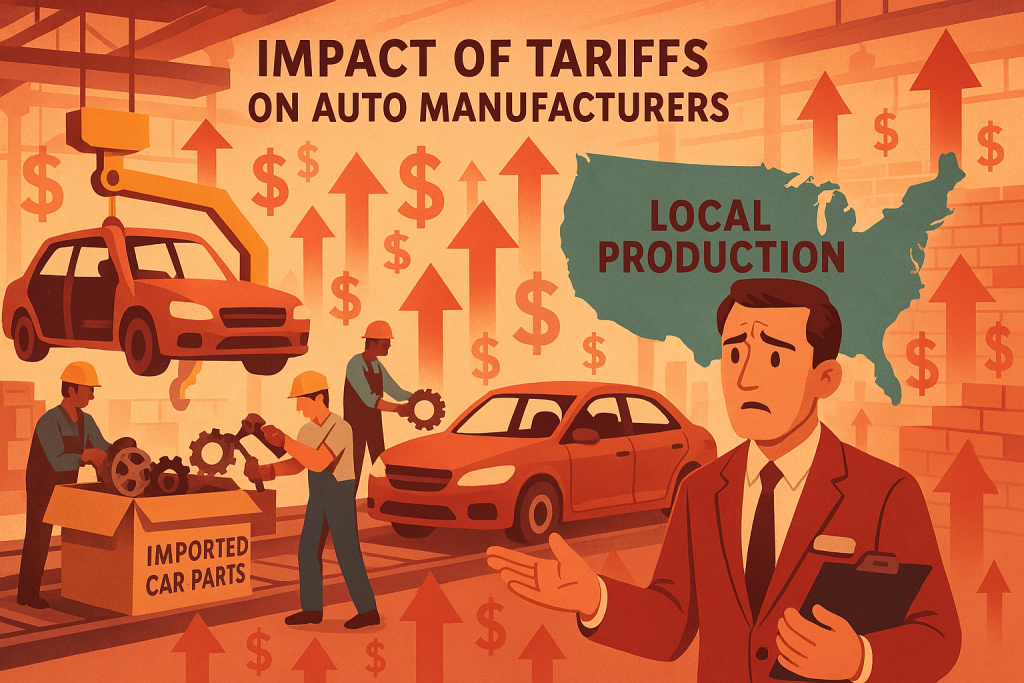
Manufacturers are facing significant challenges as they navigate the implications of tariffs. Many are forced to reevaluate their supply chains, often leading to increased production costs. This can create a domino effect that impacts pricing and availability for consumers.
With many manufacturers relying on imported parts, the push to localize production may take time. As they work to adjust their supply chains, dealers may find themselves caught in the middle, needing to manage customer expectations amid rising prices.
What Dealers Need to Know About Tariffs
Dealers must stay informed about the evolving landscape of tariffs and their impact on the industry. Understanding the specific tariffs affecting their inventory and pricing strategies will be essential for maintaining profitability. Open communication with manufacturers will also be crucial as they navigate these changes.
Dealers are encouraged to proactively engage with their customers, reassuring them that while prices may rise, the dealership is committed to providing the best service and support possible. Transparency and clear communication will help build trust in a time of uncertainty.
What’s Next: Dealer Strategies to Thrive in a Tariff-Driven Market
Tariffs may be shaking up the auto industry, but disruption also opens the door to innovation. In our follow-up article, we dive into actionable strategies dealers can use to stay profitable and build resilience — from optimizing inventory to strengthening customer loyalty and tapping into the used car boom.
👉 Read: Thriving Through Tariffs – Dealer Strategies for a Volatile Market
How The Rawls Group Helps Auto Dealers
The Rawls Group helps auto dealers navigate the complexities of succession planning by developing customized strategies that prevent family conflicts, ensure strong leadership, and secure long-term business sustainability. Rather than a one-size-fits-all approach, we work closely with owners to identify the best successors, structure ownership to avoid deadlocks, and integrate leadership development for future success. By addressing both business and family dynamics, we help dealers avoid the pitfalls of poor planning—ensuring their legacy thrives for generations. Ready to secure your dealership’s future? Contact us today to start the conversation.

Strategic Planning for Business Growth & Succession Success™
The only constant one can plan for is change. Strategic planning positions the business to address the probable, possible, and potential contingencies impacting business success. 
Click the following link for more drill down resources on Strategic Planning
Sign up for our monthly e-newsletter to stay informed on how to overcome related succession planning issues.
Ask An Expert
"*" indicates required fields


